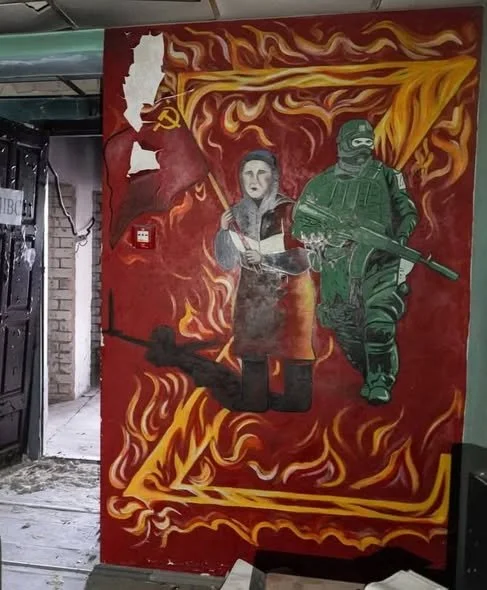
Катівня в Куп’янському райвідділі
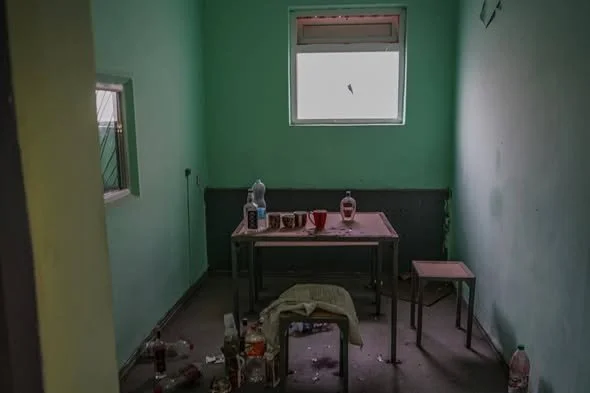
В розмовах і переговорах про замороження війни завжди варто пам'ятати про досі окуповані території і які речі там відбуваються. Наприклад, у катівнях, облаштування яких на захоплених територіях є системною практикою РФ. Існувати такі катівні можуть довгі роки, що показує сучасна російська практика, сирійський приклад та інші.
Як приклад можна навести катівню у Куп'янському райвідділі поліції. Нижче лише короткий опис зі свідчень, зібраних на основі 30 глибинних опитувань утримуваних і свідків, які ми з Yelyzaveta Sokurenko і Yevhen Vasyliev проводили під час польових місій на Харківщині:
- З березня по вересень 2022 року через Куп'янський ізолятор тимчасового тримання пройшли сотні мешканців міста і навколишніх сіл. Людей тут утримували від декільках днів до 5 місяців. За підрахунками потерпілих, лише на момент звільнення 8 вересня у приміщенні ізолятора, розрахованому на утриманні максимум 44 осіб, перебували щонайменше 130 людей. При цьому утримувані у різний період зазначають, що в переповнені камери ІТТ майже щодня приводили нових затриманих, подекуди випускаючи інших. Також відомо про щонайменше двох людей, які загинули внаслідок перенесених катувань (про один з цих випадків нижче).
“85% мужского населения Купянска пройдёт через весь этот ИВС… Перевоспитаем”. Втім, під таку практику “перевиховання” потрапляли і жінки, люди похилого віку, неповнолітні. “Вы ж его тут воспитали в нелюбви к России, вы ж тут настойщей истории не знаете... Нужно его перевоспитать, обьяснить, что он неправильно думает”.
- В одномісних камерах могли утримувати до 8 людей, у чотирьохмісних – до 24. Інших приковували до дверей в коридорі та підвішували у різних позах, зокрема “ластівкою”. Також людей могли днями тримати у прогулянкових двориках за будь-яких погодних умов, і коли температура опускалася вночі, і під час спеки або дощу. Одна з опитаних розповіла, що її три дні тримали в дворику без будь-якої можливості сходити в туалет.
- Потерпілі відзначали сильну спеку і нестачу повітря у переповнених камерах. Як покарання наглядачі подекуди додатково обмежували доступ повітря, зачиняючи “годівничку” на дверях камери. Деяким новим затриманим забороняли спати, а якщо наглядачі бачили сплячу людину – заходили, ставили до стінки і починали бити. Їжу давали поганої якості і нерегулярно, за словами утримуваних їсти її було нестерпно. Залучали до примусових робіт. Одним з найбільш травматичних вражень опитані називали те, що вони вдень і вночі постійно чули, як катують інших. “Крики... Це сильніше б’є по нервах, ніж коли допитують тебе”.
- Катування відбувалося переважно під керівництвом ефесбівців, утримувані виділяли трьох катів – “Кот”, “Джокер” та “Дозор 7.1” Більшість опитаних допитували від 3 до 7 разів, допити з катуваннями тривали від пів години до трьох. Удари завдавали по всьому тілу, руками й ногами, гумовими і металевими палицями, битами; використовували електрошокер і тапік, приєднуючи клеми до пальців, вух, геніталій – використання тапіка кати називали “дзвінком Путіну”. Також під час допитів могли лунати погрози відрізати вуха, пальці, засунути сторонній предмет в анальний отвір або ж погрози груповим зґвалтуванням. Практикували імітації розстрілу. Зафіксовані випадки, коли утримуваних змушували зрізати підсобними предметами “неправильні” татуювання своїм сокамерникам.
- Також ми задокументували свідчення щодо смерті Костянтина Миронова (на фото), учасника АТО/ООС, що на момент окупації Куп’янська викладав анатомію у місцевому медколеджі. Миронова на його подругу затримали 3 вересня, звинувши у передаванні інформації ЗСУ і коригуванні вогню по сусідній з поліцейським відділком будівлі митниці, в який за декілька днів до того поцілили з HIMARS. 19-річну дівчину допитували кожні дві години протягом трьох діб: “З усіх допитів я пам’ятаю тільки один без струму і побоїв”.
Під час одного з допитів дівчини у кімнату “занесли” Костянтина. “При мені двоє чоловіків били його битами, вони аж підстрибували, коли наносили удари”. Інший утримуваний описує катування Миронова так: “Костя, ну коли я його бачив, він був увесь фіолетово-жовтий, живого місця на ньому не було, ноги опухлі, руки опухлі... Пити йому не давали, казали: “Хочеш води?” Обливали його і ставили пляшку поряд. Навіть чув, як Костя просить: “Дайте води, дайте води”. Вони не давали”. За декілька днів після звільнення, 11 вересня, Костянтин Миронов помер у лікарні внаслідок заподіяних йому тілесних ушкоджень.
- 7 вересня під наступу ЗСУ на Куп'янськ росіяни позакривали в усіх камерах “годівнички” і, не залишивши утримуваним їжі, полишили ІТТ. В ніч на 8 вересня утримуваним в одній з камер вдалося вибити решітку на вікні, знайти ключі і повідчиняти всі камери. Прикутих у прогулянкових двориках звільняли за допомогою знайдених дрелі і болгарки. Щонайменше 130 людей в ту ніч вийшли на свободу.
Потерпілі відмічають серйозні наслідки для свого фізичного та психічного здоров’я: вибиті зуби, погіршення зору, сильні головні болі, болі в місцях побиттів, загострення хронічних хвороб, безсоння і нічні кошмари, панічні атаки, страх та небажання повертатися в рідне місто. Двоє опитаних повідомили про суїцидальні думки.
- Це лише короткий огляд того, що відбувалося в Куп'янському ізоляторі під час окупації.
Звіт українською та англійською: ВІДКРИТИ
17.01.2025
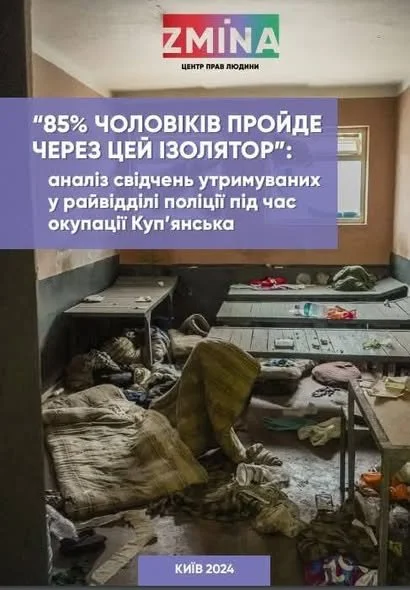
The Torture Chamber in Kupiansk Police Department
In discussions and negotiations about freezing the war, it is always important to remember the territories that remain under occupation and the things that are happening there. One example is the torture chambers that Russia systematically establishes in occupied areas. Such places can exist for many years, as demonstrated by contemporary Russian practice, the Syrian example, and others.
One example is the torture chamber in the Kupiansk district police department. Below is only a brief description based on testimonies collected during 30 in-depth interviews with detainees and witnesses that we conducted with Yelyzaveta Sokurenko and Yevhen Vasyliev during field missions in the Kharkiv region.
▪️ From March to September 2022, hundreds of residents of Kupiansk and surrounding villages passed through the Kupiansk temporary detention center. People were held there from several days to five months. According to detainees’ estimates, at the moment of liberation on September 8, at least 130 people were being held in the detention facility designed to hold a maximum of 44 individuals. At the same time, detainees report that new prisoners were brought into the already overcrowded cells almost daily, while some were occasionally released. There are also reports of at least two people who died as a result of torture (one of these cases is described below).
▪️ “85% of the male population of Kupiansk will pass through this detention center… We will re-educate them.” However, such “re-education” practices were applied not only to men but also to women, elderly people, and minors. “You raised him here to hate Russia. You do not know the real history here… He needs to be re-educated and told that he thinks incorrectly.”
▪️ Up to eight people could be held in single cells, and up to twenty-four in four-person cells. Others were handcuffed to doors in the corridor and suspended in various positions, including the so-called “swallow.” People could also be held for days in the exercise yards regardless of weather conditions, including cold nights, extreme heat, or rain. One interviewee said she was kept in the yard for three days without any opportunity to use the toilet.
▪️ Detainees described extreme heat and lack of air in the overcrowded cells. As punishment, guards sometimes further restricted air access by closing the hatch in the cell door. Some newly detained people were not allowed to sleep, and if guards saw someone sleeping, they would enter the cell, line people up against the wall, and begin beating them. Food was irregular and of very poor quality, and detainees said it was often impossible to eat. Prisoners were also forced to perform labor. One of the most traumatic experiences mentioned by many interviewees was that they constantly heard others being tortured day and night. “The screams… It affects your nerves even more than when they interrogate you.”
▪️ Torture was mostly carried out under the supervision of FSB officers. Detainees identified three main torturers: “Kot,” “Joker,” and “Dozor 7.1.” Most interviewees were interrogated three to seven times. Interrogations with torture lasted from thirty minutes to three hours. People were beaten all over the body with hands and feet, rubber and metal batons, and baseball bats. Electric shock devices and field telephones (“tapik”) were used, attaching wires to fingers, ears, and genitals. Torturers called this method “a call to Putin.” During interrogations detainees were also threatened with having their ears or fingers cut off, having objects forced into the anus, or being subjected to gang rape. Mock executions were practiced. There were also documented cases where detainees were forced to cut off “incorrect” tattoos from their cellmates using improvised tools.
▪️ We also documented testimony regarding the death of Kostiantyn Myronov (pictured), a veteran of the ATO/JFO who was teaching anatomy at a local medical college at the time of the occupation. Myronov and his girlfriend were detained on September 3, accused of passing information to the Ukrainian Armed Forces and directing fire at the nearby customs building, which had been struck by HIMARS several days earlier.
The 19-year-old girl was interrogated every two hours for three days. “Of all the interrogations, I remember only one without electric shocks and beatings.”
During one interrogation, Kostiantyn was brought into the room. “Two men beat him with bats right in front of me. They were even jumping as they struck him.” Another detainee described his condition: “When I saw Kostia, he was completely purple and yellow. There was not a single place on him without bruises. His legs were swollen, his arms swollen… They would not give him water. They would say: ‘Do you want water?’ They would pour water over him and put a bottle next to him. I even heard him begging: ‘Give me water, give me water.’ They would not give it.”
A few days after liberation, on September 11, Kostiantyn Myronov died in hospital from the injuries inflicted on him.
▪️ On September 7, during the Ukrainian Armed Forces’ advance toward Kupiansk, Russian forces closed the cell hatches and left the detention center without providing food to detainees. During the night of September 8, prisoners in one of the cells managed to break the window bars, find keys, and open the cells. Those chained in the exercise yards were freed using a drill and a grinder that were found on the premises. At least 130 people walked free that night.
Detainees reported serious long-term consequences for their physical and mental health: broken teeth, deteriorating eyesight, severe headaches, pain in areas where they had been beaten, worsening chronic illnesses, insomnia and nightmares, panic attacks, fear, and an unwillingness to return to their hometown. Two interviewees reported suicidal thoughts.
🔗 This is only a brief overview of what happened in the Kupiansk detention center during the occupation.
Report in Ukrainian and English: OPEN
January 17, 2025